Starting a sports program in underserved communities can have a profound impact on the lives of youth and families. Not only does it promote physical fitness and overall well-being, but it also fosters a sense of community, teamwork, and discipline. However, launching a sports program in an underserved community comes with its own set of challenges. In this blog post, we will explore the steps and considerations involved in starting a sports program in underserved communities.
Identify the Needs and Interests of the Community
The first step in starting a sports program in an underserved community is to understand the needs and interests of the community. Conducting surveys, hosting community meetings, or working with local organizations can help determine what types of sports programs are most desired and needed. Whether it’s soccer, basketball, or track and field, understanding the community’s preferences is crucial to the success of the program.
Secure Funding and Resources
Securing funding and resources is often one of the biggest challenges when starting a sports program in underserved communities. Look for grants, sponsorships, and partnerships with local businesses or organizations that are committed to community development. Additionally, reaching out to national sports organizations or philanthropic foundations can also provide support and resources for equipment, facilities, and coaching staff.
Recruit and Train Dedicated Volunteers
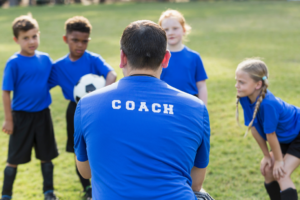
Building a team of dedicated volunteers is essential for the success of a sports program in underserved communities. Reach out to local colleges, sports clubs, or community organizations to recruit volunteers who are passionate about making a positive impact. Providing training on mentorship, coaching techniques, and child development can help volunteers effectively engage with the youth in the program.
Provide Accessible and Inclusive Opportunities
When establishing a sports program in an underserved community, it’s important to ensure that the program is accessible and inclusive to all youth, regardless of their socioeconomic status or abilities. Consider providing scholarships for registration fees, transportation assistance, and adaptive equipment to accommodate individuals with disabilities. Creating a welcoming and inclusive environment will encourage greater community participation.
Build Partnerships and Collaborations
Building partnerships and collaborations with local schools, community centers, and sports organizations can help expand the reach and impact of the sports program. Collaborating with schools can provide access to facilities and potential participants, while working with other sports organizations can lead to mentorship opportunities and friendly competitions. These partnerships can also help sustain the program in the long run.
Track Progress and Celebrate Achievements
Lastly, it’s important to track the progress and impact of the sports program in the underserved community. Collecting data on participation rates, academic performance, and overall well-being of the participants can help demonstrate the program’s effectiveness and identify areas for improvement. Celebrating achievements, whether it’s winning a tournament or graduation from the program, can also boost morale and motivation among the participants.
Conclusion
Starting a sports program in an underserved community requires dedication, collaboration, and a deep understanding of the community’s needs. By providing accessible and inclusive opportunities, securing funding and resources, and building partnerships, it’s possible to create a sustainable and impactful sports program that benefits the community. The positive impact of such programs can extend beyond the field or court, shaping the lives and futures of the youth involved.