
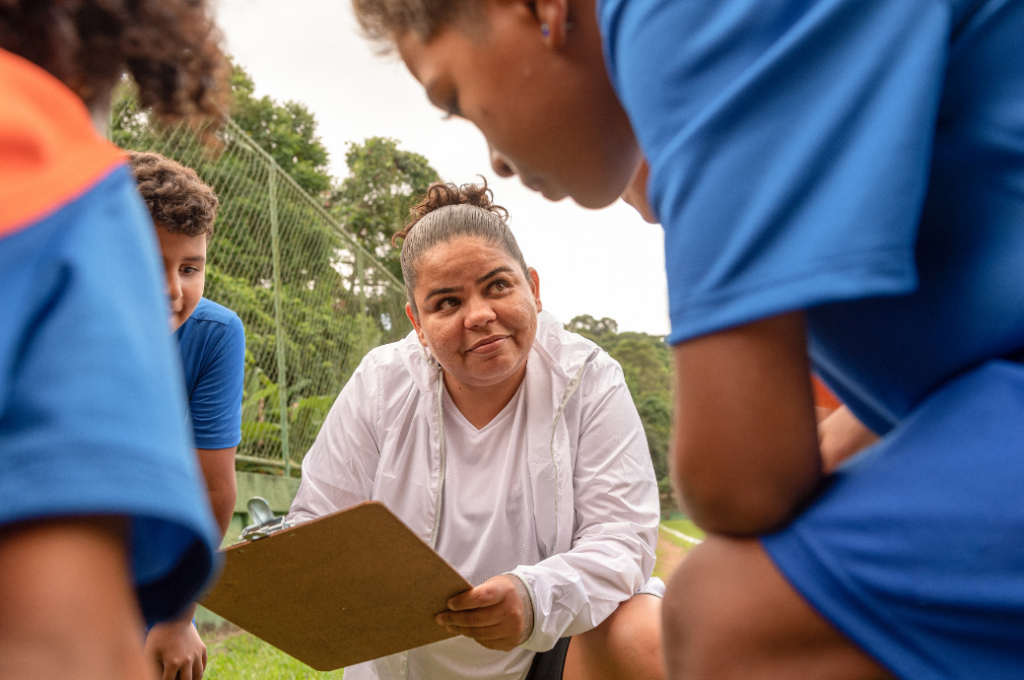

In today’s rapidly changing world, developing leadership skills at a young age is crucial for success. Engaging in sports not only promotes physical health and teamwork but also helps young athletes cultivate essential leadership qualities that will benefit them both on and off the field. Let’s explore five ways in which sports help build leadership skills in young athletes:
- Communication: Communication is a fundamental aspect of effective leadership. Through sports, young athletes learn how to communicate with their teammates, coaches, and opponents. Whether it’s giving directions, providing feedback, or offering support, effective communication is essential for inspiring and motivating others.
- Decision Making: Leadership often involves making tough decisions under pressure. In sports, young athletes are constantly faced with decision-making opportunities, such as choosing game strategies, making split-second plays, or resolving conflicts on the field. By honing their decision-making skills in a sports setting, young athletes learn how to think critically and act decisively in high-stakes situations.
- Teamwork: A key leadership skill is the ability to work with others towards a common goal. Sports provide a valuable platform for young athletes to learn the importance of teamwork, cooperation, and mutual support. By understanding their role within a team and contributing to its success, young athletes develop strong leadership skills that emphasize the value of collective effort.
- Resilience: Leadership often requires resilience in the face of adversity. In sports, young athletes encounter setbacks, challenges, and failures that test their grit and determination. By learning how to cope with defeats, bounce back from setbacks, and stay focused on their goals, young athletes develop the resilience needed to lead others through tough times.
- Confidence: Confidence is a cornerstone of leadership. Engaging in sports helps young athletes build self-confidence through skill development, overcoming challenges, and achieving personal and team milestones. This confidence translates into strong leadership capabilities, as young athletes learn to trust their instincts, take risks, and inspire others through their actions.
In conclusion, sports offer a unique and powerful platform for cultivating leadership skills in young athletes. By engaging in sports activities, young athletes can develop essential qualities such as communication, decision-making, teamwork, resilience, and confidence that will serve them well in their future leadership roles. As we continue to support and encourage young athletes in their sporting endeavors, we are also nurturing the next generation of confident, capable, and empathetic leaders who will make a positive impact on society.