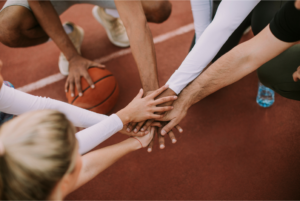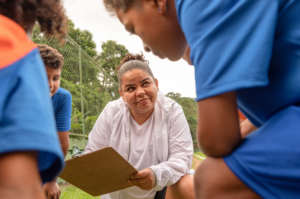


Participating in sports not only offers physical benefits but also provides a unique opportunity for young athletes to develop important life skills, such as teamwork, confidence, and social skills. Whether they are on the field, court, or track, working as part of a team can have a profound impact on the personal growth and development of young athletes.
Building Confidence Through Teamwork
One of the key advantages of teamwork in sports is its ability to boost the confidence of young athletes. When athletes work together towards a common goal, they learn to trust in their abilities, rely on their teammates, and push themselves to achieve success. The support and encouragement received from teammates can provide a significant confidence boost, as young athletes gain validation for their efforts and contributions to the team. Over time, this can lead to increased self-esteem, self-assurance, and a belief in their capabilities both on and off the field.
Developing Social Skills Through Collaborative Efforts
Team sports offer a valuable platform for young athletes to enhance their social skills through collaboration and communication. By interacting with teammates, coaches, and opponents, athletes learn to navigate different personalities, resolve conflicts, and work towards a common objective. This type of social interaction helps young athletes develop important skills such as active listening, effective communication, and empathy. These skills are not only essential for success in sports but also in their personal relationships and future endeavors.
Building Leadership Abilities Through Team Dynamics
Team sports provide young athletes with the opportunity to develop their leadership abilities in a dynamic and challenging environment. Whether it’s taking on a captaincy role, motivating their teammates, or making quick decisions under pressure, athletes can hone their leadership skills through ongoing teamwork. By leading by example, offering guidance, and fostering a positive team culture, young athletes can cultivate valuable leadership traits that will serve them well beyond the sports arena.
Fostering a Sense of Belonging and Unity
Team sports create a sense of belonging and camaraderie among players, establishing a strong bond that goes beyond the game itself. The shared experiences, victories, and setbacks experienced as a team help foster a sense of unity and cohesion among athletes. This shared sense of camaraderie not only strengthens the team’s performance but also contributes to the mental well-being of young athletes. Feeling supported, accepted, and valued by their teammates can greatly enhance their sense of identity and connection within the team.
In conclusion, teamwork in sports plays a vital role in building confidence, social skills, and leadership abilities in young athletes. By fostering a collaborative environment that encourages communication, cooperation, and support, team sports provide a unique setting for personal growth and skill development. The lessons learned through teamwork on the field can have a lasting impact on the personal and professional lives of young athletes, equipping them with the tools they need to navigate challenges, build relationships, and achieve success both in sports and in life.